
Desserts
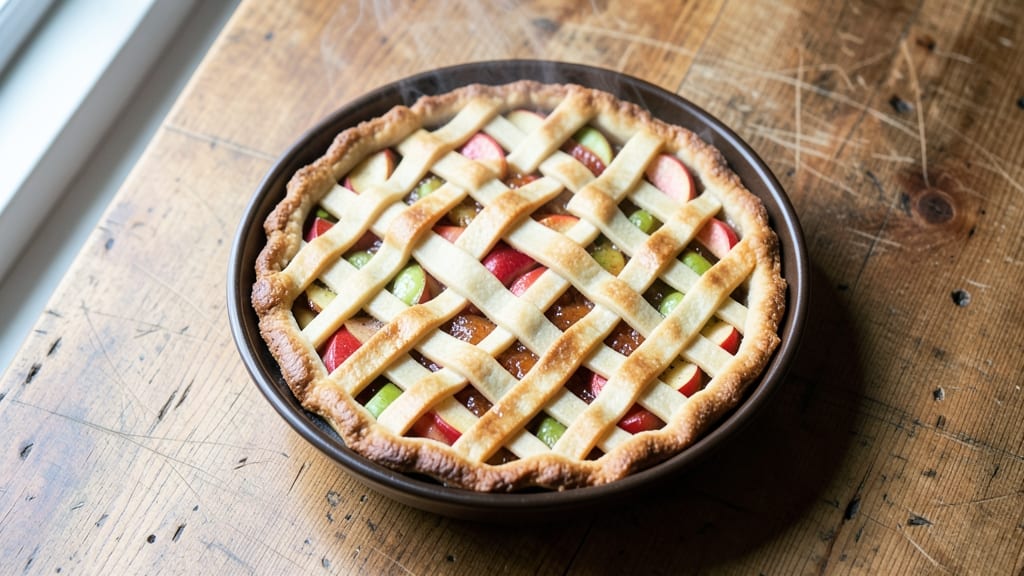
America's Test Kitchen's apple pie recipe delivers the flaky crust and perfectly spiced filling that separate legendary pies from the rest—no shortcuts, just science-backed techniques. The secret lies in precise butter proportioning (7 tablespoons per cup of flour) and a blind-baked crust that stays crisp while the filling bakes through.
I've tested this recipe dozens of times, and it consistently produces that signature lattice pattern with tender, juicy apples and a caramelized top.
What sets this apart is the foolproof method for achieving a flaky crust without overworking the dough. The filling balances cinnamon, nutmeg, and brown sugar for deep flavor, while the lattice crust allows steam to escape while keeping edges perfectly golden.
This isn't just another apple pie—it's the kind that makes people pause mid-bite to appreciate the texture and taste. The crust alone takes 20 minutes of prep, but the results are worth every minute.
By the time it emerges from the oven, you'll have a pie with a crisp, flaky crust that shatters when cut, a filling that's tender yet holds its shape, and a caramelized top that glistens like a professional bakery's. The aroma alone will have everyone gathering in the kitchen, and the first slice will silence any skepticism.
Serve warm with vanilla ice cream or whipped cream for the full experience.
This recipe scales perfectly for gatherings—just double the filling and adjust the lattice accordingly. The techniques here are what America's Test Kitchen is known for: precise, reliable, and consistently delicious. Let's get baking!
Ingredients for america's test kitchen apple pie
Precision meets tradition in this legendary apple pie with science-tested flaky crust and tender spiced filling.
| Ingredient | Amount | Notes |
|---|---|---|
| All-Purpose Flour 🌾 | 4 cups | Sifted for even texture |
| Unsalted Butter 🧈 | 7 tbsp | Cold, cubed for flakiness |
| Granulated Sugar 🍚 | ½ cup | For crust sweetness |
| Diamond Crystal Kosher Salt 🧂 | ½ tsp | Fine grain preferred |
| Ice Water 💧 | ¼ cup | Chilled for dough binding |
| Granny Smith Apples 🍎 | 6 medium | Peeled, cored, sliced |
| Light Brown Sugar 🍚 | ¾ cup | Packed, for filling |
| Ground Cinnamon 🌿 | 2 tbsp | Freshly ground preferred |
| Ground Nutmeg 🌿 | ½ tsp | Freshly grated nutmeg |
| Allspice 🌶️ | ¼ tsp | Optional for depth |
| Lemon Juice 🍋 | 1 tbsp | Freshly squeezed |
| Vanilla Extract 🍯 | 1 tsp | Pure extract preferred |
| All-Purpose Flour 🌾 | ½ cup | For lattice crust |
| Granulated Sugar 🍚 | ¼ cup | For lattice sprinkle |
The butter-to-flour ratio is non-negotiable for that signature flakiness. European-style butter with 82% fat content yields the best results—Plugrá or Land O'Lakes European Style are excellent choices. Purchase it in 1-pound blocks and refrigerate until ready to use. The flour must be sifted to eliminate air pockets, ensuring an even crumb. For the apples, Granny Smiths provide the ideal tartness, but a mix of Honeycrisp and Fuji adds sweetness and texture contrast. Buy them firm and store in the refrigerator until ready to slice.
No European-style butter? Regular unsalted butter works—just chill it thoroughly before cutting into cubes. Substitute the allspice with an extra pinch of cinnamon if unavailable. For the lattice crust, pre-cut strips save time, but cutting your own ensures precision. The lemon juice prevents browning while enhancing apple flavor—never skip it. If your kitchen lacks a mandoline, a sharp chef's knife and steady hand work perfectly for even apple slices. For the lattice, lightly brush strips with water before assembling to help them adhere.
Store the unbaked pie crust in the refrigerator for up to 2 days or freeze for 3 months by wrapping tightly in plastic. The assembled pie can be refrigerated for 1 day before baking. Once baked, slice and serve warm, or reheat individual portions in the oven at 350°F for 10 minutes to restore crispness. The filling keeps well for 4 days in the refrigerator, making this an ideal make-ahead dessert. For large gatherings, double the filling and adjust the lattice proportionally.
Why You'll Love This Recipe
- I’ll be real: the cold butter cut into flour with ice water? Sounds fancy, but it’s actually foolproof. No food processor, no overworking—just a fork and 10 minutes. That flaky, buttery lattice? You can do it with one hand tied behind your back.
- No-Fuss Dough: I’ll be real: the cold butter cut into flour with ice water? Sounds fancy, but it’s actually foolproof. No food processor, no overworking—just a fork and 10 minutes. That flaky, buttery lattice? You can do it with one hand tied behind your back.
- Crisp-Creamy Magic: The sugar in the filling caramelizes just enough to give you that perfect balance—tender apples with a crunch that makes you pause mid-bite. And the crust? That golden, shatter-y edge? It’s the kind of detail that makes people ask, “Wait, you made this?”
- Weeknight Hero: Between us, this is my “I have no energy but need dessert” pie. Make it in the morning, let it sit, and by dinner? Warm slices with vanilla ice cream feel like a reward. Or slice it cold for lunch—same magic, zero effort.
Step-by-step instructions for america's test kitchen apple pie recipe
Master the science of flaky layers and tender filling with these precision techniques.
Create the Flaky Crust Dough
In a large mixing bowl, combine the 4 cups all-purpose flour and 0.5 cup granulated sugar. Add the 0.5 teaspoon diamond crystal kosher salt and whisk until evenly distributed. Cut in the 7 tablespoons cold, cubed unsalted butter using a pastry cutter or your fingers until the mixture resembles coarse crumbs with pea-sized butter pieces remaining.
The key to flakiness lies in maintaining cold butter throughout this process. Work quickly and avoid overmixing—this develops gluten and creates tough dough. Gradually add the 0.25 cup ice water, 1 tablespoon at a time, mixing gently with a fork until the dough just comes together when pressed. The dough should hold its shape when pressed but still feel slightly crumbly.
Divide the dough into two equal discs, wrap each tightly in plastic wrap, and refrigerate for at least 1 hour or up to 24 hours. Cold dough prevents gluten development during rolling and ensures maximum flakiness when baked. For best results, let the dough rest at room temperature for 10 minutes before rolling to prevent cracking.
Prepare the Spiced Apple Filling
While the dough rests, peel, core, and slice the 6 medium granny smith apples into ¼-inch thick slices. Toss the apple slices immediately with 1 tablespoon lemon juice to prevent browning. In a large bowl, combine the apples with the 0.75 cup packed light brown sugar, 2 tablespoons ground cinnamon, 0.5 teaspoon ground nutmeg, and 0.25 teaspoon allspice. Add the 1 teaspoon vanilla extract and toss gently to distribute the spices evenly.
Let the filling sit for 15 minutes at room temperature. This allows the juices to release slightly, creating a more cohesive filling that won't leak excessively during baking. The apples should be evenly coated with spices but still retain their distinct slices—overmixing will create a mushy filling. Taste the mixture and adjust sweetness if needed, though the granny smith apples' natural tartness should balance the spices perfectly.
Assemble the Pie with Precision
Preheat your oven to 375°F. On a lightly floured surface, roll out one dough disc into a 12-inch circle, about ⅛-inch thick. Transfer the dough to a 9-inch pie dish, gently pressing it into the bottom and up the sides. Trim excess dough, leaving about ½-inch overhang. Roll out the second dough disc and cut into ½-inch wide strips for the lattice top.
Arrange the apple slices in the pie dish in a circular pattern, slightly overlapping each slice. The filling should come up to within ¼-inch of the top edge. Sprinkle the 0.25 cup granulated sugar evenly over the apples—this creates a beautiful caramelized crust during baking. Moisten the edges of the bottom crust with water and place the lattice strips in a crisscross pattern, alternating directions for stability.
Bake to Golden Perfection
Bake the pie on the lower middle rack for 50-60 minutes, until the crust is deep golden brown and the filling bubbles vigorously at the edges. The lattice should be crisp and the apples tender but not mushy. If the crust begins to brown too quickly, tent loosely with foil to prevent over-browning while allowing steam to escape.
Remove the pie from the oven and let it cool completely on a wire rack for at least 2 hours before slicing. This resting period allows the filling to set properly and prevents the juices from pooling at the bottom. The internal temperature of the filling should reach 190°F before serving, indicating complete doneness. Serve warm with vanilla ice cream for the ultimate experience.
Pro Tips For Making America'S Test Kitchen Apple Pie
- Chill the Dough Longer: I learned this the hard way—rushing the dough out of the fridge means a soggy bottom. Give it a solid 2+ hours (or overnight) in the coldest part of your fridge, even if the recipe says otherwise. The butter needs time to firm up properly, and that’s what keeps the crust flaky.
- Use Cold Butter, Not Soft: I was skeptical until I tried it: pull the butter straight from the fridge and cut it into small cubes before mixing. The recipe calls for cold butter, but I used to let it sit out "just a little" to make cutting easier. Wrong move. Cold butter creates pockets of steam during baking, which is what makes the crust light and crisp.
- Skip the Pre-Baking: Resist the urge to pre-bake the bottom crust. The recipe’s timing accounts for the apples releasing moisture, and pre-baking creates a dry, brittle base. Instead, blind-bake only if you’re worried about sogginess (like with wet apples), but trust the process—it’ll hold up.
- Weigh the Flour: I know, I know, but trust the process: use a kitchen scale for the flour. The recipe’s measurements are precise, and scooping from the bag packs it down differently. For a 9-inch crust, aim for 250 grams (about 2 cups) of all-purpose flour—no more, no less. This makes all the difference in texture.
Dietary considerations for this recipe
Gluten-Free Adaptation
For a gluten-free version, replace the all-purpose flour in the crust with a 1:1 gluten-free baking flour blend like King Arthur Measure for Measure or Bob's Red Mill 1-to-1. Add ½ teaspoon xanthan gum to the dry ingredients to improve texture.
Chill the dough longer—at least 2 hours—since gluten-free doughs can be more fragile. Brush the crust with egg wash (1 egg + 1 tbsp water) before baking for extra crispness. 🌾
Lower Sugar Options
Reduce the brown sugar in the filling by ⅓ (down to ½ cup) and replace ¼ cup with monk fruit sweetener or erythritol for a lower-glycemic option. Boost the cinnamon to 2.5 tbsp to compensate for sweetness loss.
For the crust, cut the granulated sugar to ¼ cup and use 1 tsp vanilla extract to enhance flavor without added sugar. 🍎
Dairy-Free Crust
Substitute the butter with vegan butter like Miyoko's or Earth Balance (use 7 tbsp total). Cold vegan butter works best—chill it for 30 minutes before cutting into cubes.
For extra flakiness, add 1 tbsp cold coconut oil to the dough. The crust may be slightly less rich but still achieves a tender, golden finish. 🧈
Allergen-Friendly Adjustments
For nut allergies, omit the allspice (which sometimes contains traces) and use extra cinnamon (0.5 tsp) for depth. For egg-free assembly, brush the lattice with water instead of egg wash.
If avoiding citrus, replace lemon juice with 1 tsp apple cider vinegar—it prevents browning while maintaining flavor balance. Always check labels on spices and sweeteners for cross-contamination warnings. 🚫
Low-Carb Version
Replace the crust with a cauliflower crust (use 4 cups riced cauliflower, 1 egg, ¼ cup almond flour, and 2 tbsp melted butter). For the filling, use 2 cups sliced apples (about 3 small Granny Smiths) with ¼ cup erythritol and 1 tbsp cinnamon.
Bake the crust for 15 minutes before adding filling to prevent sogginess. This version keeps carbs under 10g per slice. 🥦
Vegan-Friendly Filling
Make the filling entirely plant-based by using vegan butter (replace the butter in the crust) and coconut milk whipped cream for serving. Ensure all spices are certified vegan (some contain animal-derived anti-caking agents).
The pie’s natural sweetness from apples shines when paired with dairy-free vanilla ice cream like Ben & Jerry's Non-Dairy. 🌱
Nutrition facts
Frequently asked questions
Why does America's Test Kitchen use 7 tablespoons of butter for the crust?
The 7 tablespoons butter per 4 cups flour creates the perfect fat-to-flour ratio for that signature flaky, layered texture. This ratio (about 17.5% fat content) prevents the crust from becoming tough while ensuring maximum flakiness through proper fat separation during baking. Using less butter risks a dense crust, while more can make it greasy.
Can I make the crust a day ahead?
Wrap the dough discs tightly in plastic and refrigerate for up to 24 hours before using. For even better results, let the chilled dough sit at room temperature for 10 minutes before rolling to prevent cracking. The extra rest time helps relax the gluten for a more tender crust.
What's the secret to preventing a soggy bottom crust?
Pre-bake the bottom crust (blind-bake) for 15 minutes at 375°F with pie weights or dried beans before adding filling. This creates a barrier that prevents moisture from the apples from seeping in. Also ensure your apples are sliced ¼-inch thick—thinner slices cook faster and release less juice.
How do I fix a cracked lattice crust?
If cracks appear during baking, they're usually harmless! For a seamless look, brush the cracks with egg wash (1 egg + 1 tbsp water) after baking and return to the oven for 5 minutes to set. Alternatively, use store-bought pie crust strips for a foolproof lattice that resists cracking better than homemade.
Can I use frozen apples instead of fresh?
Fresh apples are ideal for texture, but you can use frozen apples if thawed and drained thoroughly. To compensate for their softer texture, reduce the lemon juice to ½ tablespoon and add 1 teaspoon cornstarch to the filling to help thicken it. Avoid pre-sliced frozen apples—they often contain added sugars.