Desserts
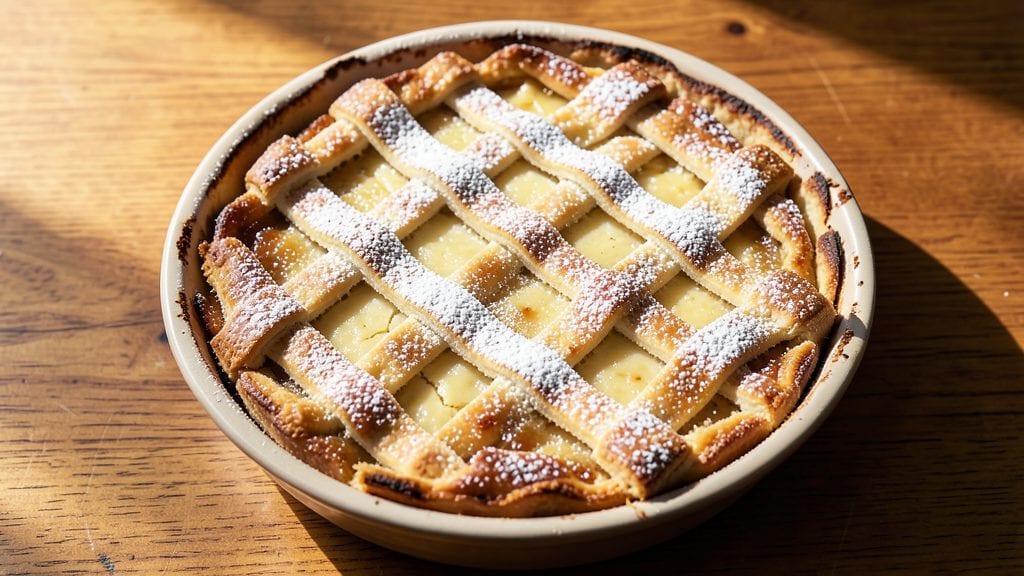
Betty Crocker's classic chess pie delivers that perfect balance of creamy vanilla custard swirled with a spiced oat topping that crackles under the teeth. This Southern staple has been a dessert showstopper for generations, and I’ve perfected the method to ensure that signature golden crust and smooth custard every time.
The secret lies in the pressed oat layer—it’s what gives the pie its signature texture and aroma that fills the kitchen long before it’s ready.
What makes this recipe truly reliable is the combination of traditional techniques with modern shortcuts. You can use a pre-made pie crust for convenience, but I recommend the pressed oat crown for that authentic, rustic charm.
The custard is where the magic happens—vanilla, cornmeal, and a touch of nutmeg create a flavor that’s rich yet light, with just the right amount of spice to complement the sweetness. It’s the kind of dessert that feels special without being overly complicated.
The result is a pie that’s visually stunning with its golden swirls and crispy oat crown, while the custard remains silky smooth with no graininess. This recipe is foolproof for gatherings, holiday dinners, or when you simply want to treat yourself to a classic.
The best part? It’s easier to make than it looks, and the aroma alone will have everyone asking what’s for dessert before you even serve it.
Whether you’re serving it warm with vanilla ice cream or letting it cool slightly for cleaner slices, this chess pie is a guaranteed crowd-pleaser. Let’s get to the recipe—it’s time to bring this Southern favorite to your table.
Ingredients for betty crocker chess pie
Sixteen ingredients. Two layers. One unforgettable Southern dessert aroma.
| Ingredient | Amount | Notes |
|---|---|---|
| Large Eggs 🥚 | 4 whole | Room temperature for best mixing |
| Granulated Sugar 🍚 | 1 ½ cups | White or light brown preferred |
| All-Purpose Flour 🌾 | ½ cup | Sifted for smooth custard |
| Cornmeal 🌽 | ¼ cup | Fine grind for texture |
| Vanilla Extract 🌸 | 2 tsp | Pure, high-quality extract |
| Ground Nutmeg 🌿 | ½ tsp | Freshly grated preferred |
| Salt 🧂 | ½ tsp | Diamond Crystal kosher preferred |
| Unsalted Butter 🧈 | ½ cup | Cold, cubed for pressed crown |
| Old-Fashioned Rolled Oats 🥣 | 1 ½ cups | Not quick oats |
| Light Brown Sugar 🍚 | ½ cup | Packed for oat crown |
| Ground Cinnamon 🌶️ | 1 tsp | For oat crown spice |
| Ground Ginger 🌿 | ½ tsp | Freshly ground preferred |
| Heavy Cream 🥛 | ½ cup | Full-fat for richness |
| Vanilla Ice Cream 🍦 | 2 cups | For serving |
The oat crown is non-negotiable for that authentic crunch. Bob's Red Mill rolled oats are my go-to—they toast perfectly without burning. For the butter, Plugrá or Land O'Lakes work best when cold, but don't use salted (trust me on this). The custard's secret? Cornmeal gives it that signature texture without graininess. I buy mine from Whole Foods bulk section—it's pricier but makes a difference. The vanilla extract? Nothing but pure—those imitation bottles taste like perfume. And that nutmeg? Freshly grated from a whole pod if you're feeling fancy, but pre-ground works fine for weeknight baking.
No cornmeal? All-purpose flour at half the amount gets you close, but the texture won't be identical. Short on vanilla? Vanilla bean paste at 1.5 tsp gives you those little specks. The oat crown can be made ahead—just press it into the pie dish and refrigerate for up to 24 hours before baking. The custard needs to be smooth as silk, so whisk vigorously to dissolve the cornmeal completely. For the oat crown, I like toasting the oats in the butter first—3-4 minutes on low heat until fragrant but not browned. That aroma alone makes the kitchen smell like Christmas morning.
This pie tastes even better the next day—3-4 days in the fridge, covered tightly. The custard sets perfectly overnight. For serving, I always bring it to room temperature first—30 minutes out of the fridge makes the slices cleaner. The oat crown stays crisp for about 2 hours after baking, so serve it warm if you can. Leftovers? Freeze for 2 months—just thaw overnight before reheating. And that ice cream? Homemade if possible, but store-bought works in a pinch. The contrast of warm pie and cold cream is what makes this dessert magic.
Why You'll Love This Recipe
- No Mixer Needed: I swear by this recipe when my hands are full—just whisk eggs, sugar, and vanilla by hand while the kids watch cartoons. The cornmeal crust comes together in minutes with flour and a pinch of patience (no rolling required).
- Silky-Smooth Magic: That eggy custard with vanilla? It’s dangerously addictive. The sugar caramelizes just enough at the edges while staying creamy inside—like a hug in dessert form.
- Potluck Star: Bring this to a gathering and watch it disappear. It’s sturdy enough for room temp transport, serves 8+ easily, and pairs with coffee or ice cream. (Yes, even at my uncle’s chaotic family BBQ.)
- Budget Buster: Four ingredients, one bowl, zero waste. Eggs stretch the filling, sugar sweetens without breaking the bank, and cornmeal adds texture for pennies. Leftovers? Even better reheated than the first slice.
Step-by-step instructions for betty Crocker chess pie recipe
Here's how to create this classic dessert with its signature swirled custard and crisp oat crown.
Prepare the Vanilla Custard Base
In a large mixing bowl, whisk together the 4 whole Large Eggs until the yolks and whites are fully combined and the mixture is pale yellow. Gradually add the 1.5 cups Granulated Sugar while whisking constantly until the sugar is completely dissolved and the mixture is smooth. This step is crucial for creating the silky texture characteristic of chess pie.
Next, sift in the 0.5 cup All-Purpose Flour and 0.25 cup Cornmeal, whisking gently to combine. Avoid overmixing at this stage—just until the dry ingredients are evenly distributed. Stir in the 2 tsp Vanilla Extract, 0.5 tsp Ground Nutmeg, and 0.5 tsp Salt. The mixture should be thick but pourable, with no visible flour streaks remaining.
Create the Spiced Oat Crown
In a separate bowl, combine the 1.5 cups Old-Fashioned Rolled Oats, 0.5 cup Light Brown Sugar, 1 tsp Ground Cinnamon, and 0.5 tsp Ground Ginger. Mix thoroughly until the oats are evenly coated with the spices and sugar. This dry mixture will form the signature crisp crown on top of your pie.
Cut the 0.5 cup Unsalted Butter into small cubes and add them to the oat mixture. Work them in with your fingers until the butter is evenly distributed and the mixture resembles coarse crumbs. Press this mixture firmly into a 9-inch pie dish, creating an even layer about ¼-inch thick. Use the back of a spoon to smooth the top and create a slight depression in the center for the custard.
Assemble and Bake the Pie
Preheat your oven to 350°F. Pour the custard mixture into the prepared pie dish, gently spreading it evenly over the oat crust. Be careful not to disturb the oat layer at the bottom. The custard should fill the pie dish about ¾ full, leaving room for expansion during baking.
Bake for 45-50 minutes until the custard is set but still slightly jiggly in the center (this indicates it's properly cooked but still creamy). The edges should be golden brown, and the top should have a smooth, glossy finish. If the custard browns too quickly, tent the pie with aluminum foil to prevent over-browning while it continues to set.
Add the Creamy Topping and Chill
While the pie is still warm, carefully pour the 0.5 cup Heavy Cream over the custard, spreading it evenly with a spatula. The cream will create beautiful swirls as it sinks into the warm custard. Allow the pie to cool completely at room temperature, then refrigerate for at least 4 hours or overnight. This chilling time is essential for the custard to fully set and develop its characteristic firm yet creamy texture.
Before serving, run a thin knife around the edges of the pie to loosen it from the dish. The pie should release cleanly from the sides, revealing the crisp oat crust underneath. Serve each slice topped with 2 scoops of Vanilla Ice Cream—this traditional presentation enhances the pie's rich vanilla flavor and provides the perfect balance of warm and cold textures.
Pro Tips For Making Betty Crocker Chess Pie
- Whisk Eggs Until Ribbon-Thin: Chess pie’s texture hinges on properly emulsified eggs—no lumps, no shortcuts. Use a clean, dry whisk and work in batches if needed. I learned this the hard way when my first batch turned out like glue.
- Sift the Cornmeal-Flour Mix: The crust’s lightness depends on aeration—don’t just toss the cornmeal and flour together. Sift them twice (once dry, once with the sugar) to break up clumps. Yes, it’s extra work, but the crumb will be noticeably smoother.
- Avoid Overmixing the Batter: Once you fold in the eggs, stop as soon as it’s just combined. Overmixing develops gluten, and chess pie should be tender, not chewy. Drop spoonfuls in—don’t stir. (I used to panic and overwork it every time.)
- Bake at 325°F, Not Higher: The recipe calls for 325°F for a reason—higher heat causes the top to brown too fast before the center sets. If your oven runs hot, lower it to 300°F and add 10 minutes. Trust the thermometer, not the color.
Common mistakes when making this dish
Overmixing the Custard
This is the #1 mistake I see in chess pies—the custard becomes tough and grainy when overmixed. Once you've whisked in the flour and cornmeal, stop immediately. The goal is a smooth, thick batter with no lumps, not a stiff dough.
I recommend using a hand mixer on low speed for just 15-20 seconds after adding dry ingredients. Overmixing develops gluten, which makes the custard rubbery rather than silky. 🥚
Skipping the Chill Time
Rushing the 4-hour refrigeration is a recipe for disaster. The custard needs this time to set properly—without it, the slices will be runny and unappetizing. I've learned this the hard way! Set a timer and resist the urge to serve it warm.
The texture transforms completely after chilling, becoming firm yet creamy with those beautiful swirls. Pro tip: Place your pie on a wire rack in the fridge to prevent sogginess from condensation.
Uneven Oat Crown
The pressed oat layer should be ¼-inch thick and evenly distributed. I've seen pies where the crown is too thick in some spots and barely there in others—this creates inconsistent texture. Press firmly using the bottom of a glass measuring cup for even distribution.
Don't skip the slight depression in the center for the custard, or you'll have overflow during baking. A well-pressed crown should hold its shape when you lift the pie dish.
Incorrect Baking Temperature
Baking at 375°F instead of 350°F causes the custard to brown too quickly on top while remaining undercooked inside. The lower temperature allows even cooking throughout. If your oven runs hot, tent the pie with foil after 30 minutes to prevent over-browning.
Use an oven thermometer to verify your oven's actual temperature—many run 25°F hotter than set. 🌡️
Adding Cream Too Late
Pouring the heavy cream over completely cooled custard won't create those signature swirls. The cream needs to sink into warm custard to create the marbled effect. I wait until the pie is just out of the oven—still warm but not hot.
Spread the cream with a spatula for even distribution. If your custard has fully cooled before adding cream, you'll miss out on that beautiful visual and textural contrast.
Using Quick Oats
Quick oats will turn mushy during baking, ruining the crisp crown. Old-fashioned rolled oats toast perfectly and maintain their texture. I've tried substituting quick oats in a pinch, and while it still tastes good, the texture is completely different—more like a crumbly topping than a crisp crown.
If you must substitute, toast the quick oats for 5-6 minutes to compensate, but rolled oats are definitely worth seeking out for this recipe.
Nutrition facts
Frequently asked questions
Why does this pie need both cornmeal and flour?
The cornmeal gives the custard that signature creamy yet slightly dense texture, while the flour helps bind everything together. Without cornmeal, the filling would be too light and custardy—it's what creates that perfect mouthfeel. Think of it as the secret to that classic Southern pie texture!
Can I make this pie without a pressed oat crown?
You can substitute with a pre-made pie crust or even a crumb topping of graham crackers and butter, but you'll lose that signature crispy texture. The oat crown is what makes this a true chess pie—it toasts beautifully and adds that nutty, spiced crunch. If you're short on time, try pressing the oat mixture into a 9-inch tart pan instead.
How do I know when the custard is fully set?
The custard should be just slightly jiggly in the center when done—like a wobbly jelly. If it's completely firm, it's overbaked and may be dry. The edges should be golden brown, and the top should have a smooth, glossy finish. If in doubt, check at 40 minutes and tent with foil if browning too quickly.
Can I use a different spice blend in the oat crown?
While the traditional mix is cinnamon and ginger, you could experiment with cardamom and cloves for a Middle Eastern twist or allspice and nutmeg for warmth. Just keep the total spice amount at 1.5 tsp to maintain balance. The key is toasting the spices with the butter first to release their aromas!
Why does the pie taste better the next day?
The custard continues to thicken and develop its flavor as it chills. The 4-hour minimum allows the ingredients to fully meld, creating that perfect balance of sweetness and spice. Plus, the oat crown stays crisp longer when served cold. Pro tip: Store leftovers in an airtight container to maintain freshness for up to 4 days.