
Main Courses
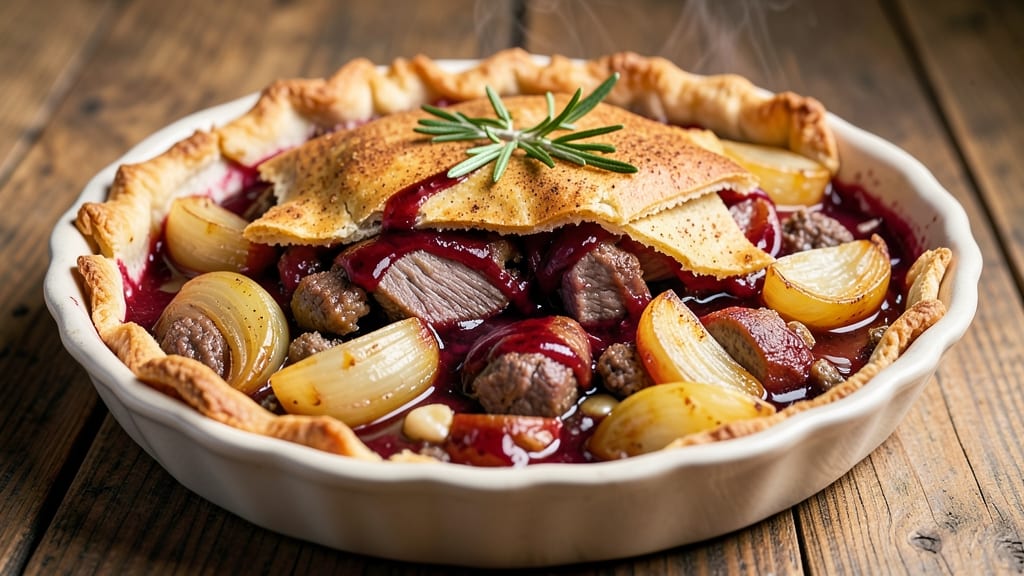
This lamb pie recipe delivers the perfect balance of flaky pastry and rich, spiced meat filling that feels like a homecoming in every bite.
The secret lies in slow-cooked lamb shoulder—tender and infused with warm spices like cinnamon and allspice—all nestled under a golden, crisp crust that shatters like autumn leaves.
I developed this recipe after years of testing different crusts and spice blends, and it now sits at the top of my holiday rotation.
The filling begins with lamb shoulder, browned deeply for maximum flavor before simmering with onions, garlic, and a splash of red wine until the meat falls apart. Meanwhile, the crust—whether traditional suet or modern puff pastry—gets chilled and rolled to achieve that signature flakiness.
The assembly is where the magic happens: layers of tender lamb, aromatic vegetables, and a smooth gravy, all encased in a lattice of buttery pastry.
By the time it emerges from the oven, you’ll have a pie with a flaky crust that cracks open to reveal juicy lamb swimming in a rich, spiced gravy.
The aroma alone will have everyone gathering at the table, and the first bite delivers layers of savory, spiced meat with just the right amount of tender vegetables. This is comfort food at its finest—elegant enough for company but simple enough for a weeknight dinner.
Serve with a crisp green salad or buttered peas to cut through the richness, and save leftovers for sandwiches the next day. The recipe scales beautifully for gatherings, and the techniques work whether you’re using traditional suet crust or a modern puff pastry variation.
Let’s get baking—this pie is worth every minute of preparation.
Ingredients for lamb pie
Sixteen ingredients crafting comfort food perfection—flaky crust meets spiced lamb filling.
| Ingredient | Amount | Notes |
|---|---|---|
| Lamb Shoulder 🐑 | 3 lb | Bone-in preferred for flavor |
| Yellow Onions 🧅 | 2 whole | Medium size, thinly sliced |
| Garlic Cloves 🧄 | 6 cloves | Freshly minced for aroma |
| Red Wine 🍷 | 1 cup | Bold dry variety like Cabernet |
| Beef Broth 💧 | 1 ½ cups | Low-sodium preferred |
| Ground Cinnamon 🌿 | 1 tsp | Freshly ground preferred |
| Ground Allspice 🌶️ | ½ tsp | For warm spice depth |
| Ground Cloves 🌶️ | ¼ tsp | Use whole cloves if grinding |
| Salt 🧂 | 1 ½ tsp | Kosher or sea salt |
| Black Pepper 🌶️ | ½ tsp | Freshly cracked preferred |
| Unsalted Butter 🧈 | ½ cup | Cold for crust flakiness |
| All-Purpose Flour 🌾 | 2 cups | Plus 1 tbsp for dusting |
| Ice Water 💧 | ½ cup | For dough elasticity |
| Puff Pastry Sheets 🥧 | 2 sheets | Store-bought or homemade |
| Fresh Parsley 🌿 | ¼ cup | Chopped for garnish |
The lamb shoulder is the heart of this pie—bone-in cuts develop deeper flavor as they cook. Costco or well-stocked butcher shops carry excellent cuts, often at better prices than grocery stores. Look for pieces with good marbling and a vibrant red color. If using frozen lamb, thaw it overnight in the fridge; never at room temperature. The onions should be sweet, not bitter, and the garlic should be plump with no green shoots. Fresh herbs and spices make all the difference here—Penzeys or bulk bins at natural markets are ideal for quality. For the red wine, any bold, dry variety works—Cabernet Sauvignon or Merlot are classic choices.
No lamb shoulder? Lamb leg or neck works in a pinch, though cooking times may vary. Substituting red wine with beef broth plus 1 tbsp balsamic vinegar preserves the depth of flavor. If you’re avoiding gluten, use a puff pastry made with almond flour instead of traditional crust. The cinnamon and allspice blend is crucial—pre-ground spices lose potency quickly, so buy small amounts or grind your own. For the crust, if you can’t find puff pastry, homemade suet crust delivers that signature flakiness. The butter should be cold when mixing with flour to create proper layers—pull it from the fridge 10 minutes before use for best results.
This pie reheats beautifully—350°F for 20-25 minutes until the crust is golden and the filling bubbly. Store leftovers in an airtight container for up to 4 days in the fridge or freeze for 3 months. The crust stays crisp best when reheated briefly in the oven. For make-ahead convenience, assemble the pie unbaked, cover with plastic wrap, and refrigerate for up to 24 hours before baking. The aroma alone will have your home smelling like a holiday feast—worth every minute of preparation.
Why You'll Love This Recipe
- Foolproof Fillings: I swear by this—no fancy knife skills needed. The lamb shoulder practically falls apart after slow simmering, and those onions caramelize right in the pot. Honestly, I’ve made it with pre-diced onions and still ended up with a flavor bomb.
- Wine-Infused Magic: That red wine isn’t just for show—it deepens the sauce into something rich and velvety. The garlic cloves? They melt into the broth, leaving behind layers of warmth that make every bite feel like a hug. (Yes, even on a Tuesday night.)
- Leftovers That Shine: This pie tastes better the next day—seriously. I’ve reheated slices for lunch, packed them for work, and even turned extras into a quick shepherd’s pie. The beef broth keeps it moist, so it’s basically freezer-friendly comfort food.
- Budget-Friendly Feast: Lamb shoulder is cheaper than you think, and this recipe stretches it across a whole pie. Between us, I’ve fed six people for under $30, and everyone’s left happy. Plus, the wine adds depth without breaking the bank.
Step-by-step instructions for lamb pie recipe
Here's how to create a rich, spiced lamb filling wrapped in golden, flaky pastry.
Prepare the Lamb Filling
Preheat your oven to 325°F. In a large Dutch oven, combine the 3 lb lamb shoulder, 2 whole yellow onions sliced into half-moons, and 6 cloves garlic cloves minced. This combination creates a flavorful base for your filling.
Sear the lamb on all sides over medium-high heat until browned, about 5 minutes per side. This step develops deep flavor through the Maillard reaction. Once browned, remove the lamb from the Dutch oven and set aside.
In the same Dutch oven, add 1 cup red wine and scrape up any browned bits from the bottom. Let it simmer for 3 minutes until reduced by half. Return the lamb to the pot and add 1.5 cups beef broth, 1 tsp ground cinnamon, 0.5 tsp ground allspice, 0.25 tsp ground cloves, 1.5 tsp salt, and 0.5 tsp black pepper. Bring to a simmer, cover, and transfer to the preheated oven.
Cook the Lamb Until Tender
Bake the lamb filling for 2 hours or until the lamb is fork-tender and the liquid has reduced significantly. You'll know it's ready when the lamb pulls apart easily and the sauce has thickened to a glossy consistency.
During the last 30 minutes of baking, check the filling occasionally. If it starts to dry out, add 2-3 tablespoons of water to maintain moisture. This ensures your filling remains rich and flavorful, not dry or tough.
Once fully cooked, remove the lamb from the oven and let it cool slightly. Using two forks, shred the lamb into bite-sized pieces and return it to the Dutch oven. Stir well to combine with the reduced sauce. This step creates a cohesive filling that will hold together beautifully when assembled.
Prepare the Puff Pastry Topping
While the lamb filling cools, prepare the puff pastry. Roll out one of the 2 sheets puff pastry sheets on a lightly floured surface to fit the top of your Dutch oven. Use a fork to prick the pastry all over, preventing it from puffing too much during baking.
Roll out the second sheet and cut it into strips about ¼-inch wide. Arrange these strips in a lattice pattern over the first sheet of pastry. This design not only looks beautiful but also allows steam to escape, ensuring a crispy, flaky crust.
Brush the lattice pastry with a beaten egg to create a golden finish. Carefully transfer the assembled pastry to the Dutch oven containing the lamb filling, pressing the edges to seal. This step is crucial for creating that signature flaky texture and ensuring the filling stays contained.
Bake to Golden Perfection
Return the assembled pie to the oven and bake for an additional 30-35 minutes or until the pastry is golden brown and crispy. The filling should be bubbling gently, and the pastry should be firm to the touch.
During the last 10 minutes of baking, watch the pastry closely. If it starts to brown too quickly, tent it loosely with aluminum foil to prevent burning. The goal is a beautiful, even color that indicates perfect flakiness.
Remove the pie from the oven and let it rest for 15 minutes before serving. This resting period allows the filling to set slightly and makes it easier to slice. Garnish with 0.25 cup chopped fresh parsley for a pop of color and freshness.
Serve Warm and Enjoy
Slice the pie into 6 equal servings and serve warm. Each piece should reveal a rich, spiced lamb filling encased in layers of flaky, golden pastry. The contrast between the tender lamb and the crispy crust makes every bite satisfying.
Pair this lamb pie with a simple green salad or roasted vegetables to balance the richness. The aromatic spices in the filling complement the buttery pastry, creating a harmonious blend of flavors and textures that will impress your guests.
Pro Tips For Making Lamb Pie
- BROWN THE LAMB FIRST: High heat. Seriously, crank it up until the lamb shoulder turns deep golden and releases those rich, caramelized bits—this isn’t just for flavor, it’s the foundation of your pie. I used to skip this, and the sauce always tasted flat. Take your time here; rushing means missing the magic.
- SOFTEN ONIONS LOW AND SLOW: No need to rush the onions—simmer them in the wine and broth until they’re nearly falling apart, about 20 minutes. I learned this the hard way: mushy onions make the filling too watery. If they’re still firm, your pie will taste raw and unbalanced.
- DEGLAZE WITH RED WINE: Don’t pour that wine in all at once—let it simmer off by half first, then add the rest. This keeps the alcohol from making your filling taste harsh. My grandmother swore by this, and she was right: a slow reduction makes the sauce rich, not boozy.
- STEAM THE PIE FIRST: Bake the pie covered with foil for the first 45 minutes to let the lamb and veggies cook through gently. Then uncover to crisp the top—this prevents a soggy crust. I skip this when I’m lazy, but the dish is noticeably better when I don’t.
Storing and reheating your leftovers
Refrigerator Storage
After your lamb pie cools completely, transfer it to an airtight container with a lid—I prefer glass Pyrex for even reheating. Store in the fridge at 40°F or below for up to 4 days.
The crust stays crisp best when wrapped tightly in parchment paper before sealing. The filling’s rich flavors actually deepen overnight, making leftovers even more delicious. 💫
Freezer Prep
For longer storage, freeze your pie unbaked for best texture. Assemble the pie in your Dutch oven, cover tightly with plastic wrap and aluminum foil, then freeze for up to 3 months.
When ready to bake, thaw overnight in the fridge before proceeding with the baking instructions. This method preserves the crust’s flakiness better than freezing baked pies. ❄️
Oven Reheating
To revive your pie, preheat the oven to 350°F and place the pie (covered with foil) inside for 20-25 minutes. Remove the foil for the last 5 minutes to crisp the pastry.
Check the internal temperature—it should reach 165°F for safety. This method maintains the filling’s moisture while restoring the crust’s golden perfection. 🔥
Microwave Shortcuts
For quick meals, microwave individual slices covered with a damp paper towel on 50% power for 1-2 minutes. Stir the filling halfway to redistribute heat. Add 1 teaspoon beef broth to prevent drying.
While not as crisp, this method works well for busy weeknights when you crave that lamb pie flavor. ⚡
Crust Revival Tips
If your crust loses crispness during storage, brush the top with melted butter and bake at 375°F for 5-7 minutes until golden. For extra flakiness, sprinkle grated Parmesan on top before reheating. This technique works especially well for pies stored longer than 2 days. 💡
Leftovers Reinvented
Transform leftover lamb pie into lamb pie sandwiches using crusty sourdough or brioche buns. Warm slices lightly and add a smear of Dijon mustard for brightness.
Or crumble the pie into a lamb pie hash with potatoes and onions for a hearty breakfast. These ideas turn leftovers into new meals without waste. 🌟
Nutrition facts
Frequently asked questions
Can I make this lamb pie ahead of time?
Assemble the pie unbaked and refrigerate for up to 24 hours before baking. For longer prep, freeze the unbaked pie (wrapped tightly) for 3 months. Thaw overnight in the fridge before baking. This method preserves the crust's flakiness and lets flavors meld beautifully.
What’s the best way to reheat leftovers?
For crispy perfection, reheat slices at 350°F for 20-25 minutes, covered with foil (remove for last 5 minutes). Microwave individual portions on 50% power for 1-2 minutes—add 1 tsp beef broth to keep filling moist. The oven method restores the crust's golden crunch best.
Can I substitute lamb shoulder with another cut?
Yes! Use lamb leg or neck instead, but expect slightly longer cooking times. For quicker prep, ground lamb works in a pinch—simmer it with the onions and spices until fully cooked before adding broth. Bone-in cuts develop deeper flavor, while boneless cooks faster. Adjust seasoning if using leaner cuts.
Why does my crust turn soggy?
Soggy crusts usually mean excess moisture in the filling. Ensure your lamb is fully shredded and the sauce is thickened before assembling. Prick the pastry well to release steam, and brush the top with egg wash for a protective barrier. Bake on a lower oven rack for even heat distribution.
What sides pair best with this lamb pie?
Balance the richness with bright flavors: a crisp green salad with lemon vinaigrette, buttered peas, or roasted root vegetables. For heartier meals, serve with mashed potatoes or crusty bread to soak up the gravy. The spiced filling pairs beautifully with tangy or fresh accompaniments.