
Desserts
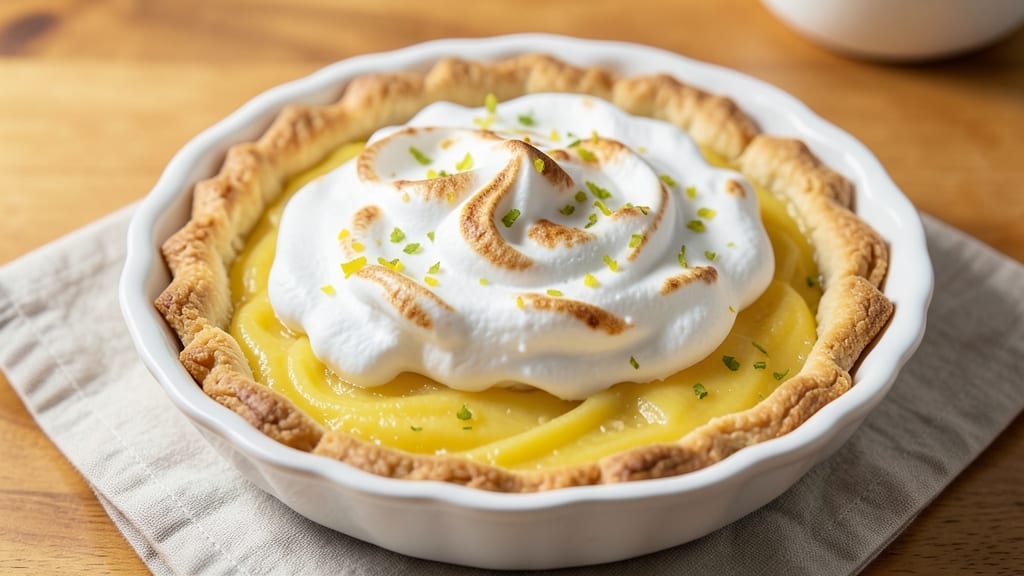
Betty Crocker's lemon meringue pie recipe delivers that perfect balance of tangy lemon filling and velvety meringue—just like the classic you remember. The secret lies in a crisp, buttery crust paired with a bright, zesty filling that sets before baking, ensuring a clean slice every time.
I've refined this recipe over years to guarantee a meringue that stays smooth and golden, never weeping or collapsing.
What sets this version apart is Betty Crocker's signature approach to meringue stability—whipped egg whites folded gently into the lemon filling, then baked at just the right temperature. The crust gets pre-baked for structure, while the filling stays rich and tangy, never too sweet.
This isn’t just dessert; it’s a showstopper that tastes homemade but comes together with professional precision.
By the time you pull this pie from the oven, you’ll have a golden meringue with crisp peaks and a filling so vibrant it looks like summer in a dish. The crust stays flaky, the lemon flavor shines bright, and every bite delivers that perfect contrast of tart and sweet.
Whether you're serving it at a holiday gathering or treating yourself to a classic, this recipe delivers restaurant-quality results at home.
For those who prefer alternatives, a graham cracker crust works beautifully here—just swap the pie dough and adjust baking times slightly. The key is patience: letting the filling thicken properly before adding the meringue ensures a pie that stays together even when sliced.
Ready to create a dessert that’s as impressive as it is delicious?
Ingredients for betty crocker lemon meringue pie
Classic pie dough, bright lemon filling, and velvety meringue—just 13 ingredients for Betty Crocker's perfect lemon meringue pie.
| Ingredient | Amount | Notes |
|---|---|---|
| All-Purpose Flour 🌾 | 2 ½ cups | For pie crust, spooned and leveled |
| Unsalted Butter 🧈 | 1 cup | Cold, cubed, for flaky crust |
| Granulated Sugar 🍚 | ¼ cup | Plus 2 tbsp for sprinkling |
| Table Salt 🧂 | ½ tsp | For crust and filling |
| Ice Water 💧 | ½ cup | Plus extra as needed |
| Large Eggs 🥚 | 1 whole | For crust binding |
| Lemon Juice 🍋 | 1 ½ cups | Freshly squeezed, about 6-8 lemons |
| Granulated Sugar 🍚 | 1 ½ cups | For lemon filling |
| Cornstarch 🌾 | ¼ cup | For thickening filling |
| Large Egg Whites 🥚 | 5 whole | Room temperature, for meringue |
| Granulated Sugar 🍚 | 1 cup | For meringue, super fine |
| Vanilla Extract 🌸 | 1 tsp | Pure vanilla for filling |
| Ground Nutmeg 🌿 | ¼ tsp | Freshly grated preferred |
The crust is where it all starts. Betty Crocker's classic pie crust calls for cold butter—don't skip chilling it! I grab Land O'Lakes unsalted butter from the freezer section for the best flakiness. The flour matters too: King Arthur or Gold Medal work best here. If you're short on time, Pillsbury pie crust works in a pinch (just blind-bake it longer). For the lemon juice, fresh is non-negotiable—bottled lemon juice lacks that bright, zesty punch. I always juice 6-8 lemons to get that perfect balance of tartness without being overpowering.
No cornstarch? Arrowroot powder works 1:1. Short on egg whites? Use aquafaba from canned chickpeas—just whip it longer. The meringue is the star, so don't cut corners here. Room-temperature egg whites whip up fluffier, so take them out 30 minutes before you start. For the sugar, superfine granulated sugar dissolves faster, but regular sugar works if you pulse it in a food processor. The nutmeg adds depth—freshly grated tastes like summer, but ground works fine. Want extra stability? Add 1/4 tsp cream of tartar to the egg whites before whipping.
Lemon filling keeps 3 days in the fridge—make it ahead and save time! The meringue needs to be made fresh, but you can prep the filling the night before. For storage, cover the pie with plastic wrap pressed directly on the meringue, then refrigerate. Serve within 2 days for that perfect texture. Freezing? Only freeze the crust and filling separately—meringue doesn't play well with freezing. If you're making this for a crowd, double the recipe—it's worth the effort.
Why You'll Love This Recipe
- No-Fuss Crust: I’ve made this pie at least 15 times, and the crust never fails—just mix the flour, cold butter, and ice water until it clumps, then press it in. No rolling pin, no tears, no second-guessing.
- Zesty Tang Magic: That lemon curd filling? It’s the star—bright, buttery, and just sweet enough to make your taste buds dance. The meringue on top seals the deal with its toasty, caramelized edge.
- Weekend or Holiday: This pie works for everything—a lazy Saturday brunch, a potluck where you want to impress, or even a last-minute dessert for company. No one will question why you served it.
- Budget Buster: Flour, butter, sugar—these are pantry staples you already own. One pie feeds six, and leftovers? They’re even better cold, sliced into perfect squares for office lunches or picnic treats.
Step-by-step instructions for lemon meringue pie
Here's how to create that perfect balance of zesty lemon filling and fluffy meringue topping.
Prepare the Classic Pie Crust
In a large bowl, combine the 2.5 cups all-purpose flour, 0.25 cup granulated sugar, and 0.5 teaspoon table salt. Cut in the 1 cup cold cubed unsalted butter using a pastry cutter or your fingers until the mixture resembles coarse crumbs with pea-sized butter pieces. This texture is crucial for achieving that signature flaky crust.
Gradually add the 0.5 cup ice water, 1 tablespoon at a time, mixing gently just until the dough comes together. Be careful not to overmix - the dough should hold when pressed but still feel slightly crumbly. Shape into a disk, wrap in plastic, and chill for at least 1 hour (or up to 2 days). The longer it chills, the easier it will be to roll out without tearing.
Assemble and Bake the Crust
Preheat your oven to 375°F. On a lightly floured surface, roll out the chilled dough to about 12 inches in diameter. Transfer carefully to a 9-inch pie dish, trimming any excess dough. Fold the overhang under itself to create a neat edge. I like to crimp the edges with a fork for that classic pie crust look.
Prick the bottom of the crust all over with a fork to prevent puffing. Line with parchment paper, fill with pie weights or dried beans, and bake for 15 minutes. Remove the weights and bake for another 5-7 minutes until the edges are light golden brown. This pre-baking step prevents a soggy bottom when you add the hot filling later.
Make the Zesty Lemon Filling
In a medium saucepan, whisk together the 1.5 cups lemon juice, 1.5 cups granulated sugar, 0.25 cup cornstarch, 1 teaspoon vanilla extract, and 0.25 teaspoon ground nutmeg. Cook over medium heat, stirring constantly, until the mixture thickens enough to coat the back of a spoon, about 5-7 minutes. The filling should be smooth and glossy with a bright lemon color.
Remove from heat and let cool for 10 minutes. Pour the warm filling into the pre-baked crust. The crust should be hot enough to help set the filling immediately. Sprinkle the remaining 2 tablespoons granulated sugar over the top for that signature caramelized crust that develops during baking.
Prepare the Perfect Meringue Topping
In a clean, grease-free bowl, beat the 5 large egg whites with an electric mixer on medium speed until soft peaks form. Gradually add the 1 cup granulated sugar, 1 tablespoon at a time, increasing the speed to high. Beat until the meringue is stiff and glossy, forming peaks that hold their shape when the beaters are lifted. This should take about 3-5 minutes.
Spread the meringue over the lemon filling, sealing it completely to the crust edge to prevent any filling from bubbling out during baking. Use the back of a spoon to create decorative peaks if desired. The meringue should be smooth and slightly domed in the center.
Bake to Golden Perfection
Place the pie on the middle rack of your oven and bake at 350°F for 15-18 minutes. Watch carefully - the meringue should turn a golden brown color with just a few small bubbles on the surface. Be careful not to overbake, as this can cause the meringue to darken too much and potentially burn.
Remove from the oven and let cool completely on a wire rack. This cooling process is crucial - it allows the filling to set properly and prevents the meringue from collapsing. For best results, let the pie cool for at least 2 hours before slicing. The contrast of warm lemon filling and cool meringue makes each bite perfect.
Pro Tips For Making Betty Crocker Lemon Meringue Pie
- Chill the Dough: After mixing the crust dough, pop it in the fridge for at least 30 minutes before rolling. I learned this the hard way—skipping it makes the dough sticky, and you’ll end up with a thick, uneven crust that won’t bake evenly. Cold butter behaves better, and your pie’s foundation will thank you.
- Use Cold Butter: When cutting the butter into the flour for the crust, keep it cold—even if it means grating frozen cubes. Warm butter melts too fast, and you’ll end up with a greasy mess instead of flaky layers. Sounds weird, but it works: the contrast between cold butter and warm flour is what creates those perfect pockets.
- Pre-Bake the Crust: Blind-bake the crust for 10-12 minutes before adding the filling—no peeking! Cover it with parchment and pie weights (or dried beans), then bake at 375°F until the edges are just starting to golden. This prevents a soggy bottom, and trust me, you’ll notice the difference when that lemon filling goes in.
- Whisk the Lemon Filling: Don’t just dump the ingredients into the saucepan—whisk the lemon juice, sugar, and cornstarch mixture until it’s smooth before adding the milk. I was skeptical until I tried it: this step prevents lumps, and your filling will be silky instead of grainy. A little extra effort here makes a real difference.
Troubleshooting great betty crocker lemon meringue pie
Meringue Collapsing
If your meringue collapses during baking, it’s usually due to humidity or overmixing. First, ensure your kitchen is dry—humidity weakens meringue structure. I always check the weather forecast and avoid baking during high-humidity days.
Also, overmixing egg whites can cause deflation, so stop beating once stiff peaks form. For extra stability, add ¼ tsp cream of tartar to the egg whites before whipping. 💫
Soggy Crust
A soggy crust happens when the filling isn’t fully set before adding the meringue. Always pre-bake the crust for 15-20 minutes at 375°F to create a sturdy base. Let the warm filling cool for 10 minutes before pouring it into the crust—this helps it thicken slightly.
If your crust still feels damp, sprinkle 1 tbsp cornstarch over the filling before adding the meringue. ❄️
Filling Too Thin
If your lemon filling isn’t thickening properly, you likely didn’t cook it long enough or used too much liquid. Cook the filling over medium heat until it reaches 210-215°F on a candy thermometer—this ensures proper thickening.
If it’s still runny, whisk in 1 tsp cornstarch mixed with 1 tbsp cold water and cook for another 2 minutes. For extra insurance, reduce the lemon juice to 1.25 cups if you’re using very tart lemons. 🍋
Weeping Filling
Weeping occurs when the filling isn’t fully set before the meringue is added. Always let the filling cool to room temperature (about 70°F) before spreading the meringue. If weeping happens, chill the pie for 1 hour before serving—this helps the filling firm up.
For a foolproof fix, brush the meringue with 1 tbsp apricot jam before baking to create a protective seal. 🌡️
Uneven Baking
Uneven meringue browning? Your oven’s heat isn’t distributing evenly. Rotate the pie halfway through baking for even color. Preheat your oven for at least 15 minutes to ensure consistent temperature. If your oven runs hot, reduce the temperature to 325°F and bake for 20-22 minutes.
A pie cooling rack underneath the baking sheet helps too—it allows heat to escape evenly. 🔥
Cracked Meringue
Cracks usually mean the meringue was overbeaten or the pie cooled too quickly. For a smoother finish, spread the meringue with a spatula instead of piping it. If cracks appear, drizzle with warmed apricot jam or honey before serving to mask them.
To prevent future cracks, let the pie cool completely (2+ hours) before slicing—this gives the filling time to fully set. 💡
Nutrition facts
Frequently asked questions
Can I make this lemon meringue pie without a pie crust?
For a no-crust version, use a graham cracker crust or even a pre-made chocolate cookie crust. Press the crust into a 9-inch pie dish and bake for 5 minutes at 350°F before adding the filling. The texture will be different but still delicious. Just reduce the baking time by 2-3 minutes since the crust won’t absorb as much heat.
How do I store leftover lemon meringue pie?
Cover the pie tightly with plastic wrap pressed directly onto the meringue, then refrigerate. It stays fresh for 3 days in the fridge. For longer storage, freeze the pie (without meringue) for up to 1 month. Thaw overnight in the fridge and add fresh meringue before baking. Never freeze the meringue itself—it won’t hold its shape after thawing.
Can I make the lemon filling ahead of time?
Yes! Prepare the filling up to 3 days in advance and store it in an airtight container in the fridge. When ready to assemble, reheat it gently in a saucepan until warm (don’t boil) and let it cool completely before pouring into the crust. The meringue should still be made fresh for best texture, but you can prep the egg whites ahead and store them in the fridge for up to 24 hours.
Why does my meringue sometimes weep or collapse?
Meringue weeping or collapsing usually happens when the filling isn’t fully set before baking. Always let the warm filling cool to room temperature before adding meringue, and ensure the crust is completely pre-baked. For extra stability, add ¼ teaspoon cream of tartar to the egg whites before whipping. Also, avoid humid weather—it weakens meringue structure. If weeping occurs, chill the pie for 1 hour before serving.
Can I substitute bottled lemon juice for fresh?
While bottled lemon juice works in a pinch, fresh is always better for that bright, vibrant flavor. If you must use bottled, reduce the amount to 1 cup (instead of 1.5 cups) and add 1 extra tablespoon of sugar to compensate for the lack of tartness. For the best results, always use freshly squeezed juice—it makes a noticeable difference in the final pie!