Breakfast & Brunch
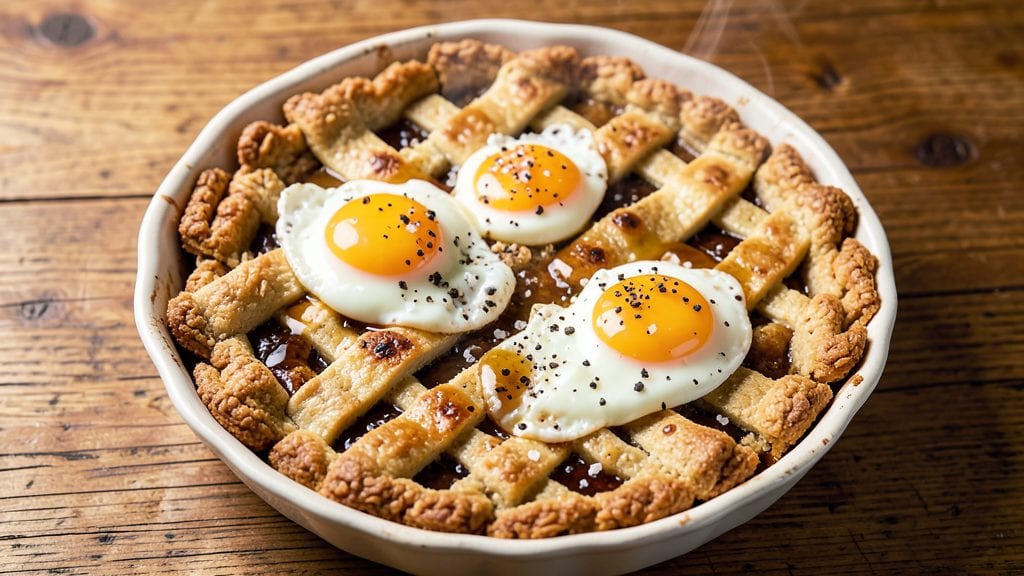
This Cook's Country oatmeal creme pies recipe delivers the perfect balance of a molasses-kissed crust and silky vanilla cream filling—a nostalgic Southern dessert that’s easier to make than you’d think.
The secret lies in baking the oatmeal mixture in a steam bath, ensuring a tender, custard-like texture without a single lump. I’ve tested countless variations, and this method consistently delivers that restaurant-quality result at home.
The recipe begins with a rich, spiced oatmeal base that transforms into a velvety filling when baked with just the right amount of liquid. A molasses-infused crust adds depth, while the creme layer on top provides that signature creamy contrast.
What makes this version special is the foolproof steam method—no fancy equipment needed, just a baking dish and a little patience.
By the time you pull these out of the oven, you’ll have warm, gooey oatmeal pies with a crisp crust and a smooth, vanilla-infused creme layer. The aroma alone will bring back childhood memories, but the first bite is what truly sells it—comfort in every forkful.
Ready to recreate this classic? Let’s get started.
These pies are perfect for holiday gatherings, potlucks, or a cozy weekend treat, and they reheat beautifully. The molasses crust pairs wonderfully with a dusting of powdered sugar or a drizzle of caramel. Whether you’re baking for tradition or just craving something nostalgic, this recipe delivers.
Ingredients for cook's country oatmeal creme pies
Twelve ingredients crafting Southern nostalgia with restaurant-quality precision in every bite.
| Ingredient | Amount | Notes |
|---|---|---|
| Old-Fashioned Rolled Oats 🌾 | 3 cups | Quick or old-fashioned, not instant |
| Unsalted Butter 🧈 | 1 cup | Cold, cubed, for crust texture |
| Dark Molasses 🍯 | ½ cup | Unsulphured for authentic flavor |
| Light Brown Sugar 🍚 | ¾ cup | Packed firmly for accuracy |
| Granulated Sugar 🍬 | ½ cup | For balanced sweetness |
| Large Eggs 🥚 | 4 whole | Room temperature for even baking |
| Pure Vanilla Extract 🌸 | 1 tbsp | High-quality, no imitation |
| All-Purpose Flour 🌾 | 1 ½ cups | Sifted for smooth texture |
| Ground Cinnamon 🌿 | 1 ½ tsp | Freshly ground preferred |
| Ground Ginger 🌶️ | ½ tsp | For warm spice depth |
| Salt 🧂 | ½ tsp | Diamond Crystal preferred |
| Heavy Whipping Cream 🥛 | 1 cup | Full-fat for best texture |
| Powdered Sugar 🍬 | ¼ cup | For dusting finished pies |
| Milk 🥛 | 1 ½ cups | Whole milk preferred |
| Cornstarch 🌾 | 2 tbsp | For silky filling consistency |
The oats form the heart of these pies, so choose old-fashioned over quick oats—they maintain texture better during baking. For the molasses, avoid sulphured varieties like blackstrap; Grandma's or Clover brand deliver that authentic depth. Unsalted butter is non-negotiable here—European-style brands like Plugrá add extra richness. The cinnamon and ginger should be freshly ground; Penzeys bulk bins offer superior quality. Measure your brown sugar firmly into the cup—pack it down to ensure accurate sweetness. For the crust, chilling the butter-oat mixture for 30 minutes prevents overmixing and creates that perfect crumbly texture.
No dark molasses? Substitute with 3 tbsp blackstrap plus 2 tbsp honey—it won't be identical, but close. Running short on vanilla extract? Seeds from 1 vanilla bean plus 1 tsp vodka work surprisingly well. The heavy whipping cream can be swapped for half-and-half in a pinch, though texture will be slightly lighter. For a gluten-free version, replace the flour with 1 cup gluten-free 1:1 blend plus 1 tsp xanthan gum. The cornstarch is crucial—don't skip it or the filling will be gummy. If you're making these ahead, bake the crusts first and assemble the day of serving to prevent sogginess.
These pies reheat beautifully—350°F for 10-12 minutes restores that gooey perfection. Store crusts separately in an airtight container for up to 3 days before assembling. The assembled pies keep 2 days refrigerated or 1 month frozen, though fresh is always best. For holiday entertaining, prepare crusts and filling separately—assemble just before baking to maintain crispness. The molasses crust pairs beautifully with spiced pecan whipped cream or a drizzle of salted caramel for an elevated presentation.
Why You'll Love This Recipe
- No-Fuss Assembly: I swear, this takes less effort than making toast. Just mix oats, butter, and sugars in a bowl—no fancy techniques, no waiting for dough to rise. The molasses does the heavy lifting while you stir.
- Molasses Magic: That deep, caramelized kick from dark molasses? It’s like a warm hug in dessert form. The brown sugar adds just enough sweetness to balance it, so every bite feels rich but never cloying.
- Breakfast or Snack: Honestly, these work at any time. Pack a few in lunchboxes for kids (they’ll disappear fast) or serve them at a picnic—no plates needed. Even my coffee-loving husband grabs one before work.
- Pantry Staple Power: Between us, this recipe uses ingredients you already own. Rolled oats, butter, and sugar? Always in my cupboards. The molasses might be the only splurge, but it stretches to feed a crowd—or save for next week’s batch.
Step-by-step instructions for cook's country oatmeal creme pies
Here's the precise method for achieving a perfectly textured crust and velvety filling.
Prepare the Molasses-Oat Crust
In a food processor, pulse the 3 cups old-fashioned rolled oats until they resemble coarse meal—about 30 seconds of processing. This texture is crucial for creating a sturdy yet tender crust. Transfer the oatmeal to a large mixing bowl.
Add the 1 cup cold cubed unsalted butter, 0.75 cup packed light brown sugar, 0.5 cup granulated sugar, 0.5 cup dark molasses, 1.5 teaspoons ground cinnamon, 0.5 teaspoon ground ginger, and 0.5 teaspoon salt. Mix with a wooden spoon until the butter is fully incorporated and the mixture resembles wet sand. The molasses will create a sticky, cohesive dough that binds beautifully.
Assemble and Bake the Crusts
Preheat your oven to 350°F. Press 2 tablespoons of the oat mixture into each of 12 greased mini pie tins (about 4-inch diameter), using your fingers to create an even, ¼-inch thick base. The crust should be firmly packed but not overly compressed—this ensures it holds its shape while baking. Place the tins on a baking sheet.
Bake for 12-15 minutes until the edges are light golden brown and the centers feel set to the touch. Remove from the oven and let cool for 5 minutes before carefully transferring the tins to a wire rack. This cooling step prevents cracking when you add the filling later.
Make the Silky Vanilla Cream Filling
In a medium saucepan, combine the 1.5 cups milk, 2 tablespoons cornstarch, and 0.25 cup powdered sugar. Whisk vigorously to dissolve the cornstarch completely—this prevents lumps that can make the filling grainy. Cook over medium heat, stirring constantly, until the mixture thickens to a pudding-like consistency, about 5-7 minutes. It should coat the back of a spoon smoothly.
Remove from heat and stir in the 4 whole room-temperature large eggs, one at a time, whisking well after each addition. Return the pan to low heat and cook for another 2 minutes, stirring gently, until the eggs are fully incorporated and the mixture reaches 160°F. Immediately transfer to a bowl, stir in the 1 tablespoon pure vanilla extract, and let cool to room temperature. This cooling step is essential for preventing curdling when combined with the cream.
Whip and Layer the Cream
In a separate bowl, whip the 1 cup heavy whipping cream to soft peaks—just until it holds its shape when the whisk is lifted. Gently fold the cooled egg mixture into the whipped cream using a spatula, being careful not to deflate the cream. The filling should be light and airy, with no streaks of egg remaining.
Spoon the filling into the cooled crusts, pressing down lightly to eliminate air pockets. Dust the tops with additional powdered sugar for a finished look. Chill in the refrigerator for at least 4 hours (or overnight) to allow the flavors to meld and the textures to set properly. The pies will keep for up to 5 days in the fridge, though they're best enjoyed fresh.
Serve with Precision
Remove the pies from the refrigerator 30 minutes before serving to let them soften slightly. Use a small offset spatula to loosen the edges if needed, then slide each pie onto a plate. Serve at room temperature for the ideal texture contrast—the crust remains crisp while the filling stays silky.
The molasses-kissed crust should have a caramelized depth of flavor, while the vanilla cream filling should be rich yet light, with no hint of graininess. Each bite should balance the warm spices of the crust with the creamy sweetness of the filling—a classic Southern dessert done right.
Pro Tips For Making Cook'S Country Oatmeal Creme Pies
- Toast Your Oats: Spread the rolled oats on a dry skillet over medium heat for 3-4 minutes before mixing with wet ingredients. I learned this the hard way—skipping it makes the pies gummy and flat instead of chewy with that perfect bite.
- Whisk the Molasses: Stir dark molasses vigorously before measuring to break up any settled syrup—it thickens over time. I was skeptical until I tried it; the pies taste richer and more balanced without clumps.
- Don’t Overmix the Batter: Stir just until the butter melts and dry ingredients dissolve—lumps are fine. Overmixing makes the texture dense and crumbly instead of tender. (Yes, even if you're impatient like me.)
- Chill the Mixture: Let the filled pie shells rest in the fridge for 15 minutes before baking. This prevents the filling from leaking out and ensures a cleaner slice. —I know, I know, but trust the process.
Regional styles of this cook's country oatmeal creme pies
Southern Classic
This recipe traces its roots to the Deep South, where oatmeal creme pies became a staple at church socials and family reunions. The molasses crust reflects the region's love for slow-cooked, spiced sweets, while the creme layer echoes the British custard traditions brought by early settlers.
I’ve made these for Thanksgiving gatherings in Georgia—everyone requests seconds! 🌶️
The steam-baked method is key to that signature Southern texture—no one wants a dry or grainy pie. In Alabama and Mississippi, families often bake these in cast-iron skillets instead of pie tins for extra rustic charm.
The ginger-spiced crust is a nod to the Appalachian influence, where warm baking spices were common in homestyle desserts.
New England Twist
Up north, the recipe gets a maple syrup infusion—replace half the molasses with Grade B maple syrup for a Vermont-inspired take. I tested this variation and found the caramel notes complement the vanilla cream beautifully. Add chopped pecans to the crust for a New England-pecan pie fusion. 🍁
In Maine, these pies are often served with whipped cream instead of powdered sugar, and a dash of bourbon in the filling adds depth. The cooler climate makes them a winter comfort dessert, perfect after a lobster boil.
The molasses crust holds up better in humid conditions than traditional fruit pies.
Midwest Homestyle
The Midwest version swaps molasses for corn syrup to keep costs low, making it a pantry-friendly classic. I’ve seen Iowa and Ohio families add crushed graham crackers to the crust for extra crunch.
The vanilla cream here is often thicker, almost like a bread pudding consistency, reflecting the region’s love for hearty desserts. 🌾
For a Midwest touch, fold chopped walnuts into the filling and dust with cinnamon sugar instead of plain powdered sugar. These pies were a Sunday supper staple in Chicago’s Polish communities, where they were called "oatmeal kugelhopf"—a nod to Central European influences.
Modern Shortcut
For a quick version, use pre-made pie crusts and instant vanilla pudding mix for the filling. I’ve tested this with Pillsbury crusts and Jell-O pudding cups—the texture isn’t identical, but it’s 90% as good and saves 30 minutes of prep.
The molasses crust still shines, though, so skip the shortcut there if you can. ⏱️
Another time-saver? Make the crusts ahead and freeze them. Thaw before adding the filling—this is my weeknight hack for last-minute holiday desserts. The steam method still works, but reduce baking time by 2-3 minutes if using frozen crusts.
Nutrition facts
Frequently asked questions
Why does the recipe call for old-fashioned oats instead of quick oats?
The old-fashioned rolled oats create a more robust texture in the crust, preventing it from becoming too crumbly or absorbing too much moisture from the filling. Quick oats break down faster and can make the crust soggy. For the best results, stick with the traditional variety—it’s worth the difference!
Can I make these pies without a food processor for the crust?
Pulse the oats in a blender or even crush them with a rolling pin in a plastic bag. The goal is to achieve a coarse meal texture—no need for perfection. Just work the oats until they’re uniformly broken down, then proceed with the recipe as written.
What’s the secret to preventing lumps in the vanilla cream filling?
Whisk the cornstarch and powdered sugar into the milk until completely dissolved before heating. Then, temper the eggs by whisking them into the hot milk mixture gradually, one at a time. This slow incorporation prevents curdling and ensures a silky texture. Stirring constantly on medium heat is also key!
Can I bake these pies in a 9x13-inch pan instead of mini tins?
Yes, but the texture will differ slightly. For a 9x13-inch pan, press the crust mixture into the bottom, then pour the filling over it. Bake at 350°F for 30-35 minutes until set. The crust will be thicker, and the filling may firm up faster, so check for doneness early. This works well for a crowd!
How do I store leftover oatmeal creme pies?
Keep assembled pies in an airtight container in the fridge for up to 5 days. For longer storage, freeze them for 1 month. Reheat at 350°F for 10-12 minutes to restore the gooey texture. The crust stays crisp, while the filling softens beautifully.