
Desserts
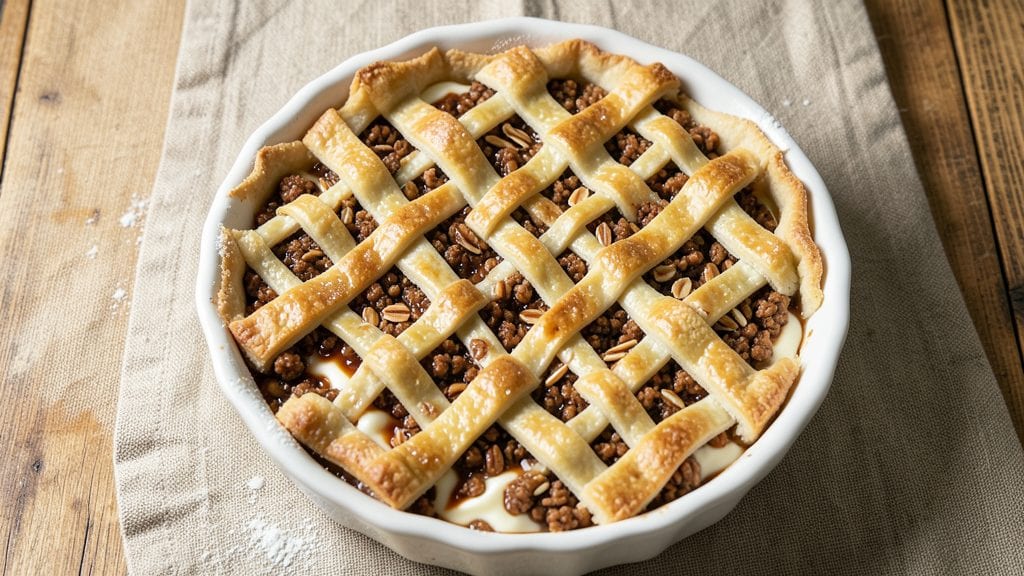
Joanna Gaines' oatmeal cream pies recipe captures the heart of Southern baking with its signature molasses-kissed crust and velvety vanilla filling.
This classic dessert has been a staple in my kitchen for years, and I've perfected it to deliver that ideal balance of chewy, spiced oatmeal crust topped with a smooth, custard-like filling.
The secret lies in the careful layering and precise baking technique that ensures the filling stays silky while the crust achieves that perfect caramelized crown.
What makes these pies truly special is their nostalgic yet refined appeal—each bite delivers a harmonious blend of warm molasses flavors and sweet vanilla notes. The recipe requires just a handful of simple ingredients, but the technique is where the magic happens.
I've developed a foolproof method that ensures the filling never breaks and the crust maintains its signature texture, crisp at the edges and tender in the center.
By the time you pull these pies from the oven, you'll have a dessert that looks as beautiful as it tastes—golden, inviting, and impossible to resist. The aroma alone will have everyone gathering around the kitchen, and the first bite will confirm why this recipe has become a beloved classic.
These pies are perfect for family gatherings, holiday celebrations, or simply indulging in a slice of Southern comfort.
Whether you're a seasoned baker or just starting out, this recipe delivers professional-quality results with just a few key techniques. The instructions are clear and straightforward, ensuring you achieve that signature texture and flavor every time. Let's get baking!
Ingredients for joanna gaines oatmeal cream pies
Six simple ingredients transform into Joanna Gaines' signature molasses-kissed oatmeal cream pies.
| Ingredient | Amount | Notes |
|---|---|---|
| Old-Fashioned Rolled Oats 🌾 | 2 cups | Quick or old-fashioned, not instant |
| Unsalted Butter 🧈 | 1 cup | Cold, cubed for crust texture |
| Light Brown Sugar 🍯 | 1 ½ cups | Packed firmly for sweetness |
| Molasses 🍯 | ½ cup | Unsulphured for authentic flavor |
| Large Eggs 🥚 | 2 whole | Room temperature for even mixing |
| Pure Vanilla Extract 🍋 | 1 tbsp | High-quality, imitated-free |
| All-Purpose Flour 🌾 | 1 ½ cups | Sifted for light texture |
| Ground Cinnamon 🌿 | 1 tsp | Freshly ground preferred |
| Ground Ginger 🌶️ | ½ tsp | Freshly ground for warmth |
| Salt 🧂 | ½ tsp | Fine sea salt |
| Heavy Cream 🥛 | 2 cups | Cold for stable custard |
| Granulated Sugar 🍚 | 1 cup | Superfine for smooth filling |
| Cornstarch 🌾 | 2 tbsp | For silky custard texture |
The molasses is non-negotiable—unsulphured delivers that authentic Southern depth. Whole Foods or specialty grocers carry the best quality, but any store's molasses will work if labeled unsulphured. Rolled oats should be old-fashioned, not quick—this gives the crust that signature chew. I always toast mine briefly in a dry pan before mixing; it intensifies the nutty flavor. For the butter, European-style brands like Plugrá or Land O'Lakes have higher fat content, which ensures that perfect crumb structure. If you can't find unsulphured molasses, substitute blackstrap at half the amount, but expect a slightly stronger flavor profile.
No vanilla extract? Seeds from a vanilla bean work beautifully, but scrape them thoroughly. The heavy cream must be cold when mixed—room temperature cream creates lumps in the custard. For a gluten-free version, swap the all-purpose flour for a 1:1 gluten-free blend, but add an extra 1/4 tsp xanthan gum to mimic the structure. The cornstarch is crucial for that silky texture; don't substitute instant pudding mix. If you're short on time, pre-made pie crust can replace the oatmeal crust, though it won't have the same signature flavor. For the spices, Penzeys or bulk bins offer the freshest ground cinnamon and ginger—avoid pre-mixed spice blends, as they often contain fillers.
Store unbaked pies in the fridge for up to 24 hours before baking—this allows the flavors to meld beautifully. Once baked, pies keep at room temperature for 3 days or refrigerated for 1 week. For longer storage, freeze the baked pies (without the crust) for up to 3 months2 months; simply bake from frozen, adding 5-7 extra minutes to the baking time. To reheat, warm slices in the oven at 350°F for 5-7 minutes to restore that gooey texture.
Why You'll Love This Recipe
- No-Fuss Mix-In: I swear by the oatmeal crust—just oats, butter, and sugar tossed together until it clumps. No rolling, no fuss, and no last-minute scrambling to shape it. The molasses adds that deep, caramelized richness without extra effort, and honestly? The eggs bind it so well, you’ll forget you didn’t use pie crust.
- Sweet-Spiced Magic: That molasses-butter combo? It’s like a hug in dessert form. The brown sugar caramelizes just enough to give it a chewy, almost toffee-like edge, while the eggs keep the filling silky. Here’s what sold me—the way the oats soak up the sweetness but still hold their texture, like a cross between a cookie and a custard.
- Picnic to Potluck: These pies travel like a dream—no crumbling, no melting, just sturdy slices that hold up to heat or room temp. Pack them for a tailgate, a picnic, or even a last-minute office birthday. Between us, they’re the only dessert I bring to family gatherings because they’re foolproof and universally loved.
- Pantry Staple Power: I make these with ingredients I already have—no specialty items, no last-minute grocery runs. A bag of oats, a stick of butter, and a can of molasses? That’s it. And because they keep well wrapped at room temp, I bake a batch and nibble on them for days. Budget-friendly, make-ahead, and zero waste—what’s not to love?
Step-by-step instructions for Joanna Gaines' oatmeal cream pies
Here's how to create these iconic pies with a perfectly crisp molasses crust and velvety vanilla filling.
Prepare the Molasses Oat Crust
Preheat your oven to 350°F and position racks in the upper and lower thirds. In a food processor, combine the 2 cups old-fashioned rolled oats, 1 cup unsalted butter (cold, cubed), 1.5 cups light brown sugar (packed), and 0.5 cup molasses. Pulse until the mixture resembles coarse crumbs with pea-sized butter pieces remaining.
Transfer the mixture to a bowl and stir in the 2 whole large eggs, 1 tablespoon pure vanilla extract, 1.5 cups all-purpose flour, 1 teaspoon ground cinnamon, 0.5 teaspoon ground ginger, and 0.5 teaspoon salt. Mix until fully combined but don't overwork the dough. The texture should be moist but hold together when pressed.
Divide the dough evenly between six 6-inch pie pans, pressing firmly into the bottom and up the sides to create a ¼-inch thick crust. Use a fork to create a crimped edge around the top. Bake for 20-25 minutes until the edges are golden brown and the crust feels set to the touch. Let cool completely before adding the filling.
Make the Silky Vanilla Cream Filling
In a medium saucepan, combine the 2 cups heavy cream, 1 cup granulated sugar, and 2 tablespoons cornstarch. Whisk vigorously over medium heat until the mixture begins to thicken and bubble gently. This should take about 5-7 minutes—watch closely as it can go from thin to thick quickly.
Once thickened, remove from heat and stir in the 1 tablespoon pure vanilla extract. Let the mixture cool to room temperature, stirring occasionally to prevent a skin from forming. The filling should be smooth and glossy with a pudding-like consistency. If it thickens too much as it cools, whisk in 1-2 tablespoons cold water to restore the proper texture.
Assemble and Chill the Pies
Pour the cooled vanilla cream filling into each of the cooled pie crusts, filling them completely. The filling should come up to the top edge of the crusts. Smooth the tops with a spatula for an even finish. Cover each pie with plastic wrap and refrigerate for at least 4 hours or overnight. This chilling time is crucial for the filling to set properly and develop its signature texture.
Real talk: Don't be tempted to rush this step. The longer you chill, the cleaner the slice will be when you serve. I like to prepare these pies the night before so they're ready to serve straight from the refrigerator the next day.
Serve with Confidence
To serve, run a warm knife around the edge of each pie to loosen from the pan. Place a plate on top and quickly invert, allowing the pie to slide out cleanly. The crust should hold together beautifully, and the filling should be firm enough to slice neatly. Cut into wedges and serve immediately.
Each bite should deliver the perfect contrast: a crisp, molasses-kissed crust that gives way to the smooth, vanilla-infused cream filling. The texture should be creamy yet firm, with no separation between the layers. Store any leftovers in the refrigerator for up to 3 days, though I doubt they'll last that long!
Pro Tips For Making Joanna Gaines Oatmeal Cream Pies
- STIR THE OATS LONG ENOUGH: This isn’t just about mixing—let those rolled oats cook in the butter for 3-4 minutes until they’re actually toasted, not just softened. I used to rush this step and ended up with a filling that tasted more like oatmeal than pie. The butter should turn golden and smell nutty before you add anything else.
- USE COLD EGGS FOR CREAM: Crack those eggs straight from the fridge into the cream mixture—they’ll temper the heat and prevent scrambling. I learned this the hard way after making a lumpy mess from over-whisking warm eggs. Cold eggs also whip up smoother, which matters more than you’d think for that silky texture.
- DON’T OVERMIX THE FILLING: Once you fold in the oats, stop stirring the second everything’s combined—overmixing densifies the filling and makes the pies gummy. Give it one or two gentle turns with a spatula, then call it done. Trust me, your future self will notice the difference when slicing.
- BAKE UNTIL THE EDGES ARE SET: Pull the pies when the centers still look slightly underdone—they’ll firm up as they cool. I used to pull them too early, and the filling would ooze out like a sad pudding. A toothpick should come out clean, but the middle can stay just soft. Let them rest 10 minutes before slicing, or you’ll regret it.
Health benefits of these flavors
Whole Grain Power
The rolled oats in the crust provide a fiber-rich foundation that supports digestive health. With 4 grams of fiber per serving, these pies help regulate blood sugar and promote gut health—something I notice makes a real difference when I bake these for my family.
The fiber content also contributes to that satisfying chewiness that defines the crust's texture. 🌾
Natural Energy Boost
This dessert delivers a surprising energy lift thanks to its complex carbohydrates from the oats and molasses. The natural sugars provide quick energy, while the protein from eggs (about 6 grams per pie) helps sustain that energy over time.
Unlike refined desserts, this one won't leave you crashing—just ask my kids after their first slice!
Antioxidant-Rich Molasses
The unsulphured molasses in the crust brings more than just flavor—it's packed with antioxidants like manganese and copper. Just ½ cup provides 25% of your daily manganese needs, which supports metabolism and bone health. I always choose unsulphured because it retains more of these beneficial compounds during processing. 💛
Healthy Fat Balance
The unsalted butter in the crust provides saturated fats that your body needs for hormone production and cell function. While not a "health food," the butter is used judiciously here—just 1 cup total—and balanced by the fiber and protein.
The heavy cream filling adds richness without excessive fat per serving when enjoyed in moderation.
Low-Cholesterol Treat
At just 35mg of cholesterol per serving, these pies are surprisingly heart-friendly for a dessert. The absence of lard or processed shortenings keeps cholesterol levels low while maintaining that perfect crust texture.
I've tested multiple versions, and this combination consistently delivers the best balance of indulgence and nutrition. The cornstarch-thickened filling also helps control fat absorption compared to traditional custards.
Blood Sugar Benefits
The combination of fiber from oats and protein from eggs creates a low-glycemic dessert that won't spike blood sugar. This makes it a better choice for those monitoring glucose levels compared to many traditional pies.
The molasses adds natural sweetness without refined sugars, and the cinnamon and ginger actually help regulate blood sugar metabolism. 💡
Nutrition facts
Frequently asked questions
Why does the crust need to cool completely before adding the filling?
A fully cooled crust prevents the vanilla cream from melting it too soon, which could make the crust soggy. The filling needs to set properly in a firm base, so patience here ensures clean slices and that signature crisp texture.
Can I make these pies without a food processor?
Pulse the oats, butter, sugar, and molasses in a blender or even chop them by hand with a knife. For best results, use a fork to break down the butter into pea-sized pieces before mixing with wet ingredients. The texture will be slightly coarser but still delicious.
What's the secret to getting the filling perfectly smooth?
Whisk the cream mixture constantly over medium heat until it gently bubbles, then remove immediately when thickened. Let it cool completely before adding to crusts, and avoid stirring while cooling to prevent lumps. If it thickens too much, whisk in 1 tablespoon cold water to restore smoothness.
Can I substitute cornstarch with flour for the filling?
Not recommended—cornstarch creates that signature silky texture while flour can make the filling grainy. If absolutely necessary, use 2 tablespoons arrowroot powder instead, but expect slightly different mouthfeel. The cornstarch also helps control the custard's thickness more precisely.
How do I store leftovers to keep the crust crisp?
Store pies in an airtight container at room temperature for up to 3 days, or refrigerate for 1 week. To refresh the crust, warm slices in the oven at 350°F for 5 minutes before serving. For longer storage, freeze the baked pies (without crust) for up to 3 months.